
Fitting Personal Training Around a Busy Work Week
The most common reason people on the Northern Beaches put off training isn’t motivation or cost. It’s time.
One of the first questions people ask after a consultation is how many sessions a week they actually need. It’s a fair question, because the answer shapes your schedule, your budget, and how quickly you’ll see results.
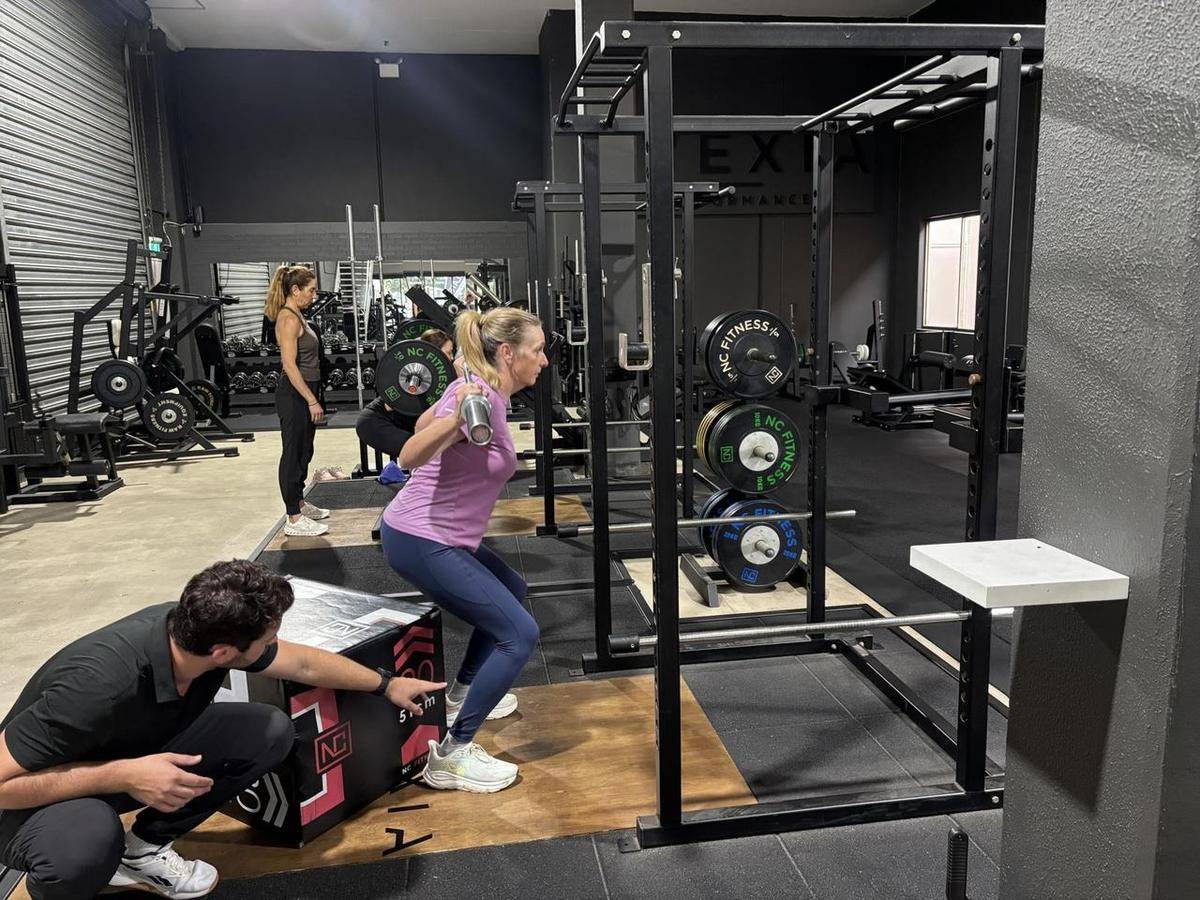
One of the first questions people ask after a consultation is how many sessions a week they actually need. It’s a fair question, because the answer shapes your schedule, your budget, and how quickly you’ll see results. The honest answer is that it depends on your goals, your starting point, and how much training you’re already doing on your own. But there are some reliable patterns that hold true for most people on the Northern Beaches, and understanding them helps you make a sensible decision rather than guessing.
The most common mistake is treating personal training as an all-or-nothing choice. People assume they either need to train with a coach five days a week or that one session a month will somehow do the job. Neither is realistic. The sweet spot for most people sits somewhere in between, and the right frequency for you is the one you can sustain for months, not the one that looks impressive for a fortnight.
For most people starting out, two coached sessions a week is the frequency that delivers consistent progress without overwhelming your schedule. Two sessions gives your coach enough contact with you to teach movement properly, build a program that progresses week on week, and catch technique issues before they become habits. It also leaves room for recovery, which is where the actual adaptation happens. If you’re brand new to structured training, two sessions a week over your first three months will take you a long way. What happens in your first session sets the foundation, and two sessions a week builds on it quickly.
Three sessions a week suits people with a specific goal and a timeline. If you’re working toward an event, trying to lose a meaningful amount of fat, or rebuilding strength after a long break, three coached sessions compresses the time it takes to get there. It’s also the frequency where semi-private training makes the most financial sense, because the per-session cost is lower than one-on-one and three sessions a week becomes affordable rather than a stretch.
One session a week works in a specific situation: when you’re already training on your own and you want a coach to oversee the program, check your technique, and keep you progressing. In that case, the weekly session becomes a check-in and a correction point, and the rest of the week is you executing the plan. This is a sensible option for experienced people who’ve plateaued, but it’s rarely enough for someone starting from scratch, because there’s not enough contact time to build the fundamentals.
Your goal should drive the decision. Building strength responds well to two or three sessions a week with proper recovery between them. Building muscle is similar, and the consistency matters more than the volume. Posture and movement work for desk workers benefits from frequent exposure, so two sessions a week with some simple homework in between tends to work better than one longer session. If you’re over 40 and building strength for the long term, two sessions a week is a frequency most people can maintain for years, which is the point.
Your recovery capacity matters as much as your enthusiasm. Someone sleeping well, eating reasonably, and managing stress can handle more training than someone running on five hours of sleep and a demanding job. A good coach reads this and adjusts. If you’re showing up flat, sore, and tired, more sessions won’t help. The frequency should match what your body can absorb, not what your motivation says it can handle in week one.
Budget is a real factor, and it’s worth being upfront about it. Rather than stretching to afford three one-on-one sessions a week and quitting after a month, it’s far better to commit to a frequency you can sustain for six months. Looking at the pricing for semi-private versus one-on-one often changes the maths. Two semi-private sessions a week sustained for a year will outperform a burst of daily one-on-one sessions that ends after six weeks, every time.
Consistency beats intensity over any meaningful timeframe. The people who get the best results at Solve aren’t the ones who trained the hardest in their first month. They’re the ones who picked a frequency, showed up at the same times each week, and kept going. The testimonials from clients on the Northern Beaches share this thread: a sustainable routine, not a heroic one.
It’s also worth knowing that your frequency can change. Many people start at two sessions a week, move to three when they’ve found their rhythm and want to push a specific goal, and then settle back to two for long-term maintenance. A coach who’s tracking your progress will tell you when it makes sense to adjust. The starting frequency is a starting point, not a contract for life.
If you’re still unsure, the best way to settle it is to talk it through rather than guess. Book a free consultation and we’ll look at your goals, your schedule, your training history, and what’s realistic for you. You’ll walk out knowing how many sessions a week makes sense, which format suits you, and what the first few months would actually look like. Compare semi-private and one-on-one beforehand if you want a head start on the decision.
A free 45-minute consultation covers your history, your goals and a movement assessment — then a plan you can actually follow.

Bachelor of Science with Dean’s Award for Academic Excellence and a nationally recognised Nutritionist specialising in sustainable fat loss and body composition. Writes every program and leads the coaching at Evexia Wellbeing, Brookvale. More about Max →
Keep reading
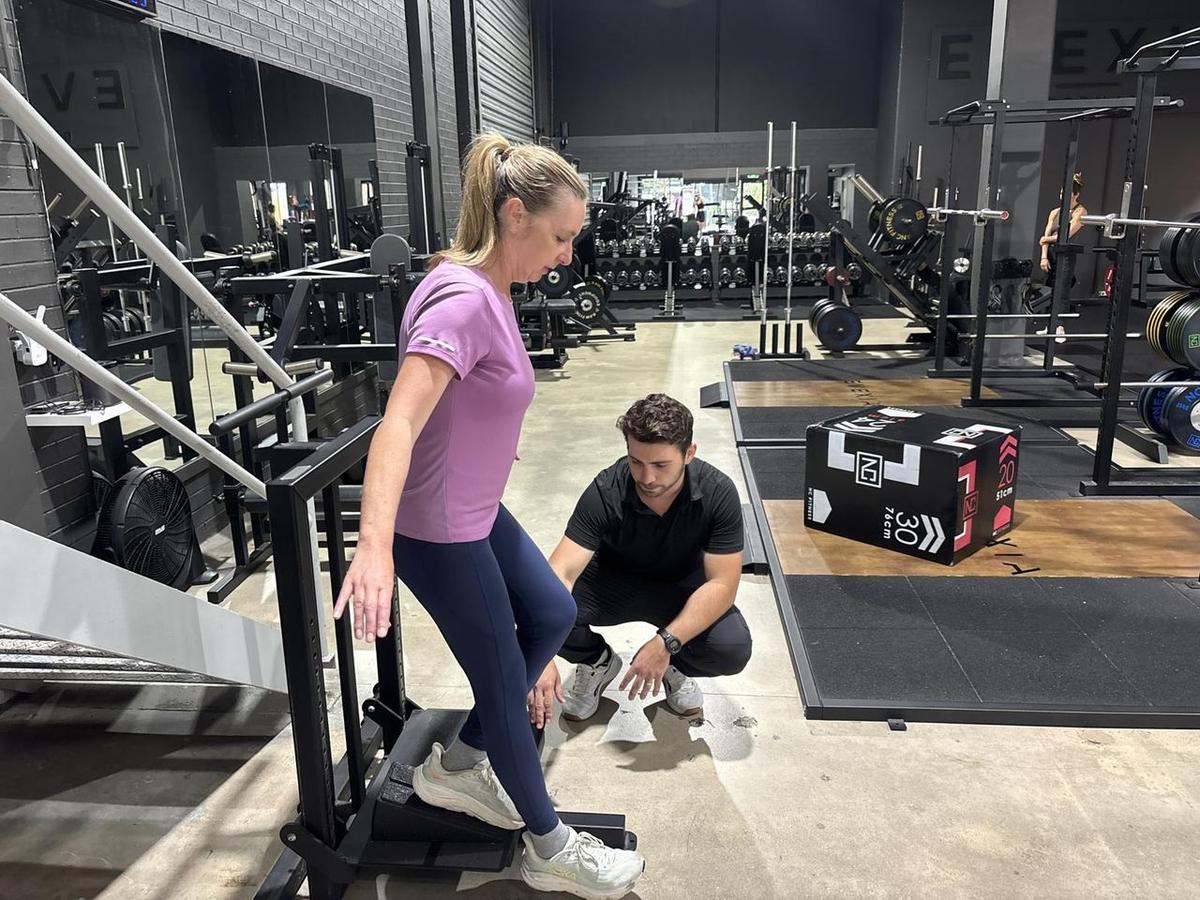
The most common reason people on the Northern Beaches put off training isn’t motivation or cost. It’s time.
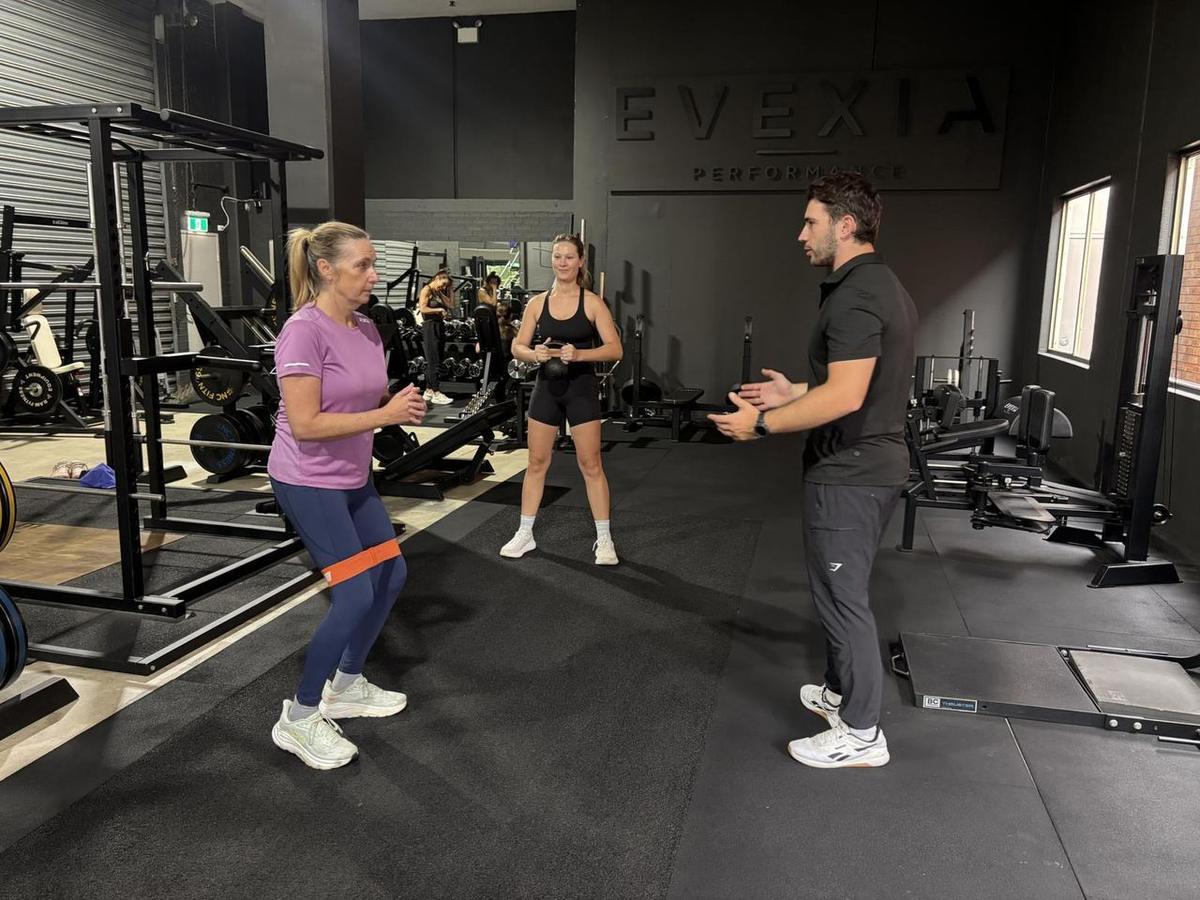
On paper, semi-private training and group fitness classes look similar. Both involve training alongside other people, both cost less than one-on-one coaching, and both run at set times.
Free 45-minute consultation
A free 45-minute consultation covers your training history, your goals and a movement assessment — with no obligation to continue.
Evexia Wellbeing, Unit 1/27 Dale St, Brookvale NSW 2100 · Parking on site