Muscle Mass After 40: Why It’s the One Thing Worth Protecting
Muscle isn’t about looking a certain way. It’s the tissue that decides how you function at 70, and it starts leaving quietly from your 30s unless you give it a reason to stay.
Add-on service · Brookvale, Northern Beaches
Most people who want to lose fat already know the basics: eat less, move more. The problem isn’t information — particularly now that AI can answer any nutrition question you have. Losing weight without losing muscle relies on consistency, and on properly executing and adapting a simple plan.
The goal
The goal at Solve isn’t simply to get the number on the scale to move. It’s to change your body composition, which means reducing fat while preserving and/or building muscle. Losing weight this way changes how you look, but more importantly it changes how you feel, your energy levels, and how your metabolism functions long term. It’s possible to lose weight through many different methods, but not all of these will leave you healthier or more capable than before.
Two people can weigh exactly the same and look completely different. The ratio of muscle to fat and the quality of the nutrition going in really matters.

Our approach
We follow current evidence-based sports nutrition research, including the work of Alan Aragon, Layne Norton and Peter Attia on calorie balance, protein and body composition.
Before we make any recommendations, we need to know where you are, what you’re already eating and your daily activity levels. From there we set targets that are achievable and sustainable. You’ll track your nutrition consistently enough to give us real data on your eating patterns and behaviours. Plus, you’ll learn more about nutrition and what you’re eating. People who track sustain fat loss longer, because they’ve educated themselves about their own habits along the way.
One of our highest priorities during this phase is to help you maintain and build muscle throughout your diet. The research is consistent: the single most important variable in a successful fat loss diet is protein intake. High protein preserves the muscle you’ve built or helps build new muscle while you’re in a deficit. This only matters if it’s being paired with strength training, which is why nutrition at Solve must be paired with training. You can diet without resistance training, but you’ll lose muscle alongside the fat and end up lighter without being in better shape.
We don’t use elimination diets or rigid, one-size-fits-all plans. Your personalised meal plan has flexibility built in, because the research is clear that dietary flexibility produces better long-term outcomes than restriction. That means you can eat the foods you enjoy, navigate social events without derailing your progress, and build adaptable eating habits you can sustain for months rather than weeks.
Body weight on a scale is one data point. It’s useful but incomplete: weight fluctuates day to day with hydration, sleep, sodium and training load, and it doesn’t distinguish fat from muscle. We use skinfold caliper measurements alongside scale weight to track body composition directly. That gives you an honest picture of what’s changing, and keeps progress visible even when the scale isn’t moving the way you’d expect.
What’s included
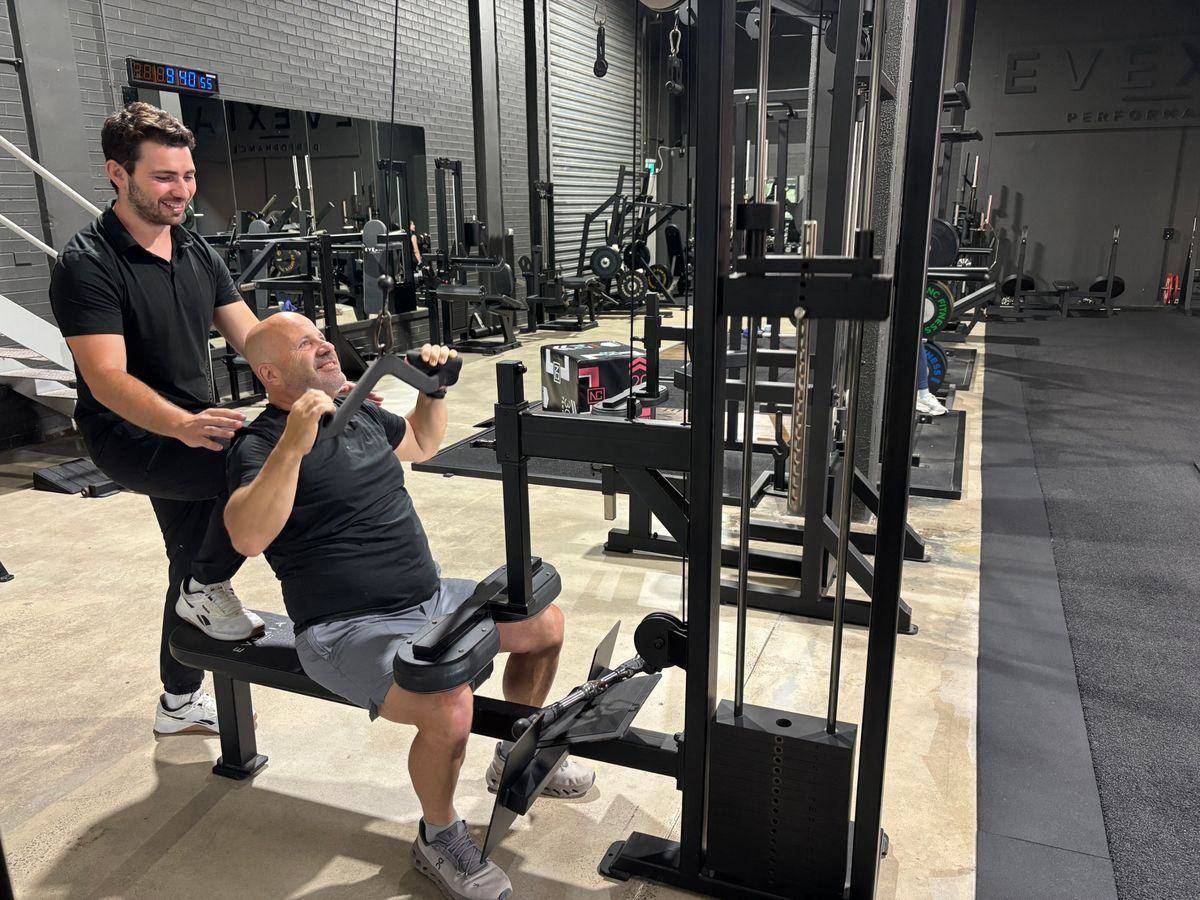
Most clients pair this with our semi-private personal training — 2–3 coached sessions a week gives you enough training stimulus to actually hold onto the muscle you’re working to protect.
See semi-private personal trainingGLP-1 friendly
GLP-1 medication reduces appetite significantly, which makes a calorie deficit much easier to sustain. What it doesn’t do is preserve muscle mass or improve food quality — that still requires adequate protein and resistance training.
We regularly work with clients who are on or starting GLP-1 medication. The goal is the same as for everyone else: ensure the weight being lost is predominantly fat, not muscle. Appropriate medication, structured training and evidence-based nutrition together produce far better outcomes than any of those components in isolation.
Fit check
Weight loss and nutrition coaching at Solve suits you if:
Nutrition FAQs
No – at Solve, nutrition coaching is always bundled with a training package. The most effective approach to body recomposition requires both. A calorie deficit without resistance training tends to produce muscle loss alongside fat loss, which results in a worse body composition outcome and a harder long-term maintenance situation.
Most clients pair this with semi-private personal training – 2–3 coached sessions a week gives you enough training stimulus to hold onto the muscle you’re working to protect.
In the early phase, yes – consistently enough to generate data we can act on. Many clients reach a point where they have enough awareness of their intake to manage without a tracker. But in the beginning, tracking is what makes accurate adjustments possible, and it’s what the research consistently shows drives better fat loss outcomes.
GLP-1 medication makes a calorie deficit easier to sustain by reducing appetite. We work comfortably alongside clients using it and tailor the approach to account for lower appetite, while keeping protein intake and training load where they need to be to preserve muscle during the weight loss period.
We track scale weight weekly and use skinfold caliper measurements at regular intervals to monitor body composition changes directly. Progress isn’t just a number on the scale – energy levels, strength in sessions and how you’re feeling all form part of the picture.
A sustainable rate is approximately 0.5–1% of body weight per week. That’s fast enough to see meaningful progress, slow enough to preserve muscle and maintain training quality. Faster approaches exist, but they come with trade-offs in muscle retention, energy and long-term sustainability that aren’t worth it for most people.
Weight loss means the number on the scale goes down – it doesn’t tell you whether you lost fat or muscle. Body recomposition means reducing fat while preserving or building muscle. Two people can weigh exactly the same and look completely different depending on their ratio of lean mass to fat. At Solve, the goal is always recomposition, not just a lower number.
Reading
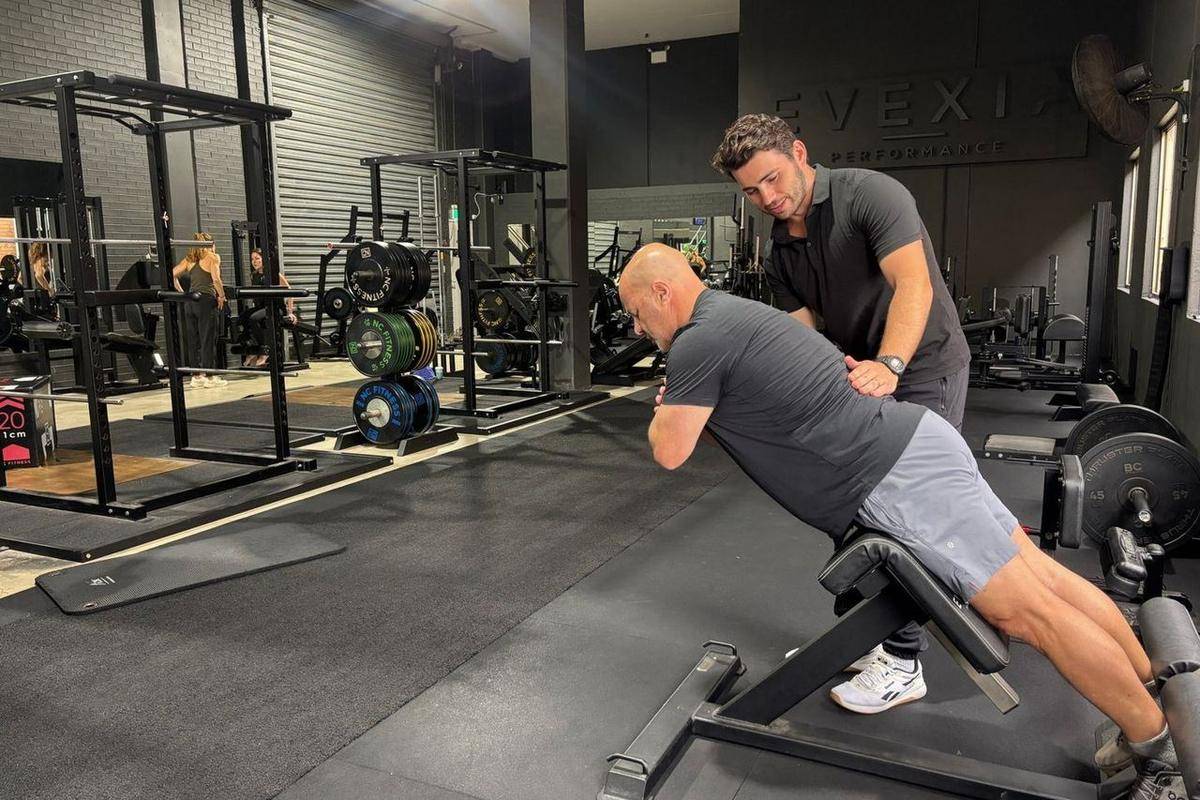
Muscle isn’t about looking a certain way. It’s the tissue that decides how you function at 70, and it starts leaving quietly from your 30s unless you give it a reason to stay.

Protein is the single most important variable in a fat loss diet — not because it burns fat, but because it decides whether the weight you lose comes off as fat or as muscle.
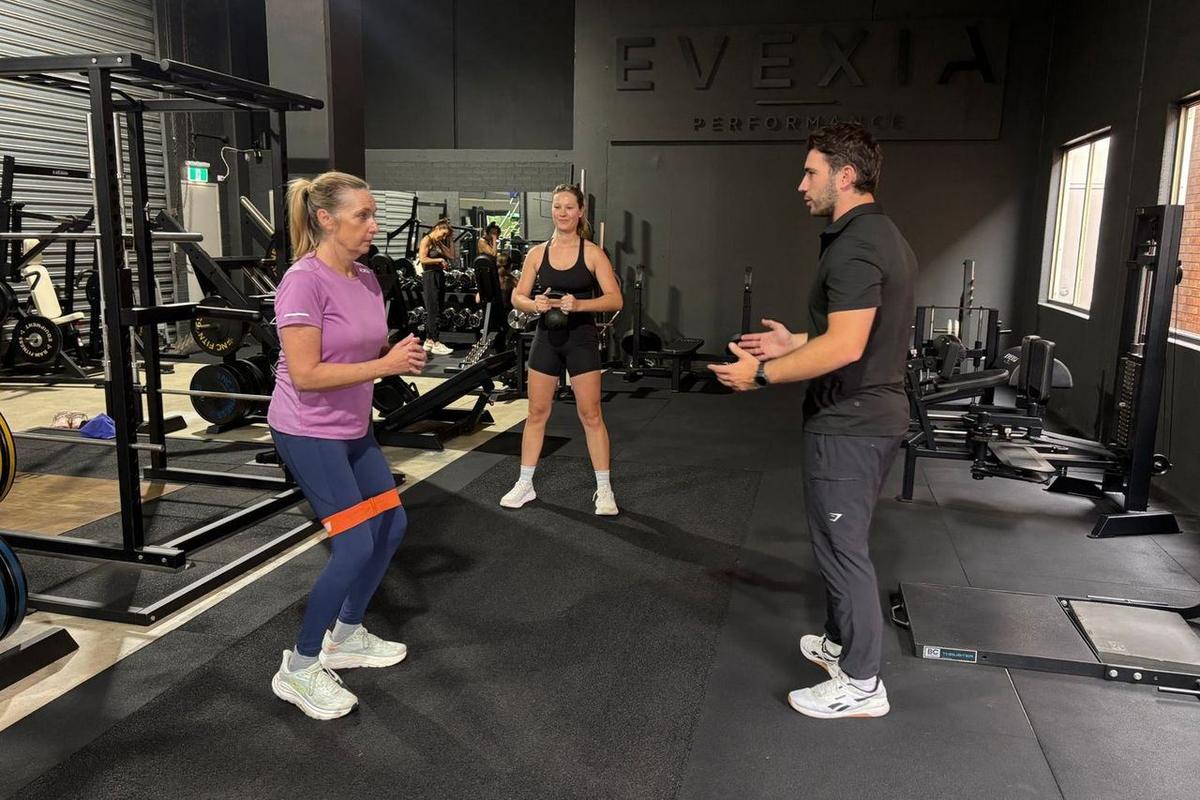
One gets you a coach’s undivided attention. The other gets you three times as many coached sessions for the same money. For most people, the second one produces better results — and here’s why.
Free 45-minute consultation
A free consultation covers your current intake, your training, and what a realistic rate of fat loss looks like for you — before you commit to anything.
Evexia Wellbeing, Unit 1/27 Dale St, Brookvale NSW 2100 · Parking on site