Fitting Personal Training Around a Busy Work Week
The most common reason people on the Northern Beaches put off training isn’t motivation or cost. It’s time.
Someone in their 40s says they feel like they’re “just getting older.” Carrying the shopping up the stairs feels harder than it used to, or they’re a bit slower getting up off the floor after playing with the kids.
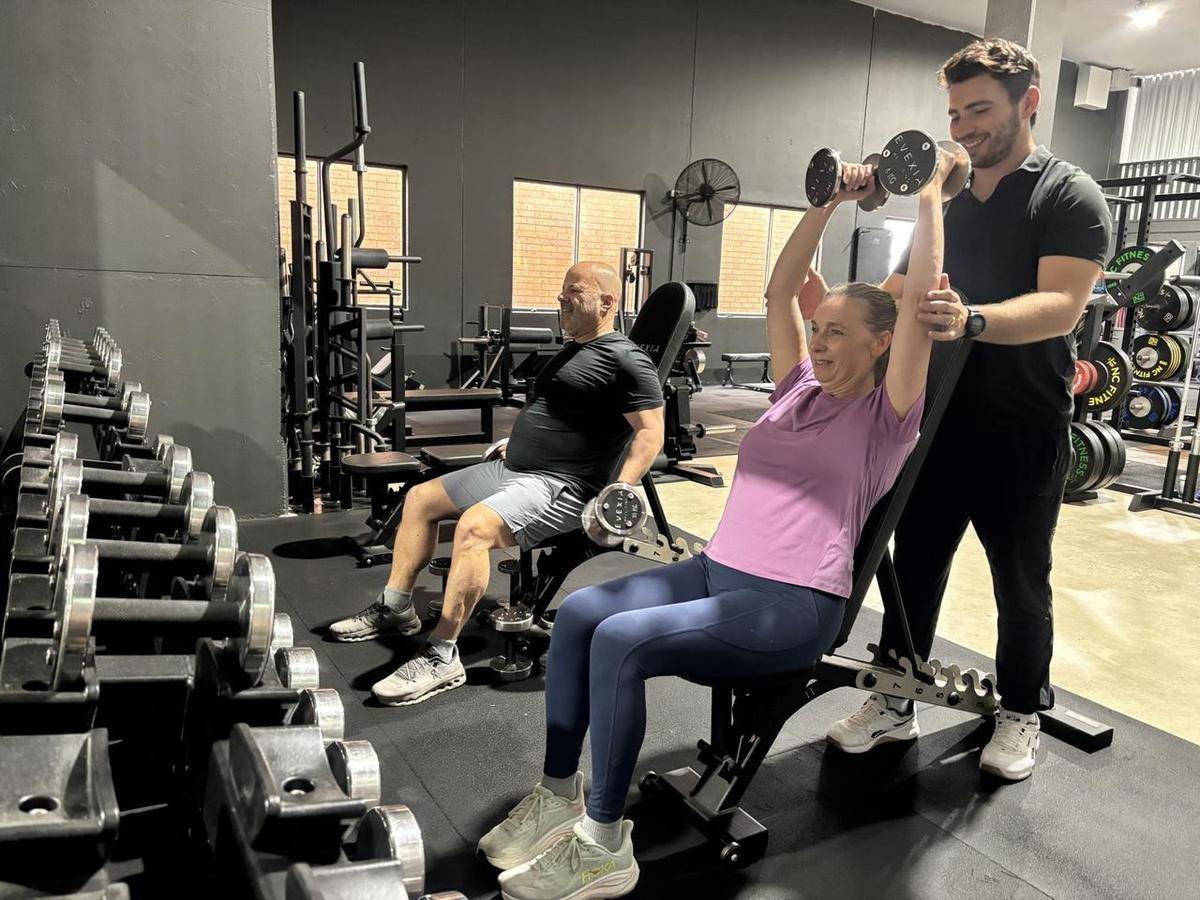
Someone in their 40s says they feel like they’re “just getting older.” Carrying the shopping up the stairs feels harder than it used to, or they’re a bit slower getting up off the floor after playing with the kids. Most have chalked it up to age, like it’s just something that happens to everyone.
It doesn’t have to be, and enough clients in this studio have proven that to make it worth saying plainly. Your 40s aren’t when you start declining. They’re when you start building real resilience for the decades ahead. Strength training in your 40s is genuinely transformational when approached correctly.
Here’s what typically happens without deliberate strength work: after thirty, most people lose between 3-5% of their muscle mass per decade, a process called sarcopenia. That rate accelerates after fifty if nothing is actively working against it. Over twenty years, that adds up to losing a third of your muscle mass. That lost muscle takes your strength, your metabolic rate, your bone density, and your confidence with it.
But that’s not destiny. That’s just what happens when someone does nothing. The trend isn’t fixed, and starting to train properly in your 40s is genuinely one of the better decisions on offer. It’s not about chasing how you looked at twenty-five. It’s about staying strong and capable for the decades ahead, keeping the ability to lift your kids or grandkids, carry your groceries, travel comfortably, and move without pain.
Clients in their 40s who start training often report that they feel stronger in their 50s than they did in their 30s, not because they’re trying to compete with their younger selves, but because they’re actually training with intent rather than just existing. Read what our 40+ clients say about their transformation.
“Will I bulk up?” No, not by accident, and definitely not as we get older. Building significant muscle mass takes years of deliberate effort, progressive overload, and usually a surplus of calories. If you’re training to stay strong and capable, you’ll build some muscle, but you won’t wake up huge. You’ll look more defined and feel stronger, which is what most people actually want. Our approach to strength building focuses on functional strength, not bulk.
“Will I get hurt?” Not if it’s coached properly. Most injuries in the gym come from doing too much too soon alone, exactly what a coached, progressive approach is built to avoid. Someone who’s never lifted before doesn’t start with heavy weight. They start with foundational movement patterns at a weight that’s right for them, then add load gradually as their body adapts.
Everyone is built up slowly. Day one isn’t impressive. It’s fundamental. You learn how to squat, hinge, push, and pull properly. The weight is light enough that you can focus on movement quality rather than struggling through with poor form. Over the first few weeks, you’re building the neuromuscular patterns, strengthening connective tissue, and getting your body used to the stimulus. Nothing heroic in week one, just steady, consistent progress that compounds over months. Learn what your first session will involve.
By week four, the weights have increased slightly. By month three, you’re noticeably stronger. By six months, the changes are visible and undeniable. People report feeling more stable on their feet, more confident carrying things, less sore after activity. That’s not placebo. That’s what happens when someone systematically builds strength over time.
Beyond the obvious, feeling stronger and looking better, there are subtle quality-of-life changes. You have more energy. You sleep better. Your joints feel more stable. You’re less prone to random injuries from everyday activities. You can play with kids or grandkids without feeling wrecked the next day. Travel doesn’t leave you exhausted. These aren’t dramatic changes, but they’re the kind that compound into a fundamentally better experience of being in your body.
If “I’ll start when things settle down” sounds familiar, now is better than later. Done properly and safely. Explore our semi-private training options to see how we can help you build strength safely in your 40s. Check our pricing to see what fits your budget, or book a free consultation to talk through what a sensible starting point looks like for you specifically.
A free 45-minute consultation covers your history, your goals and a movement assessment — then a plan you can actually follow.
Bachelor of Science with Dean’s Award for Academic Excellence and a nationally recognised Nutritionist specialising in sustainable fat loss and body composition. Writes every program and leads the coaching at Evexia Wellbeing, Brookvale. More about Max →
Keep reading
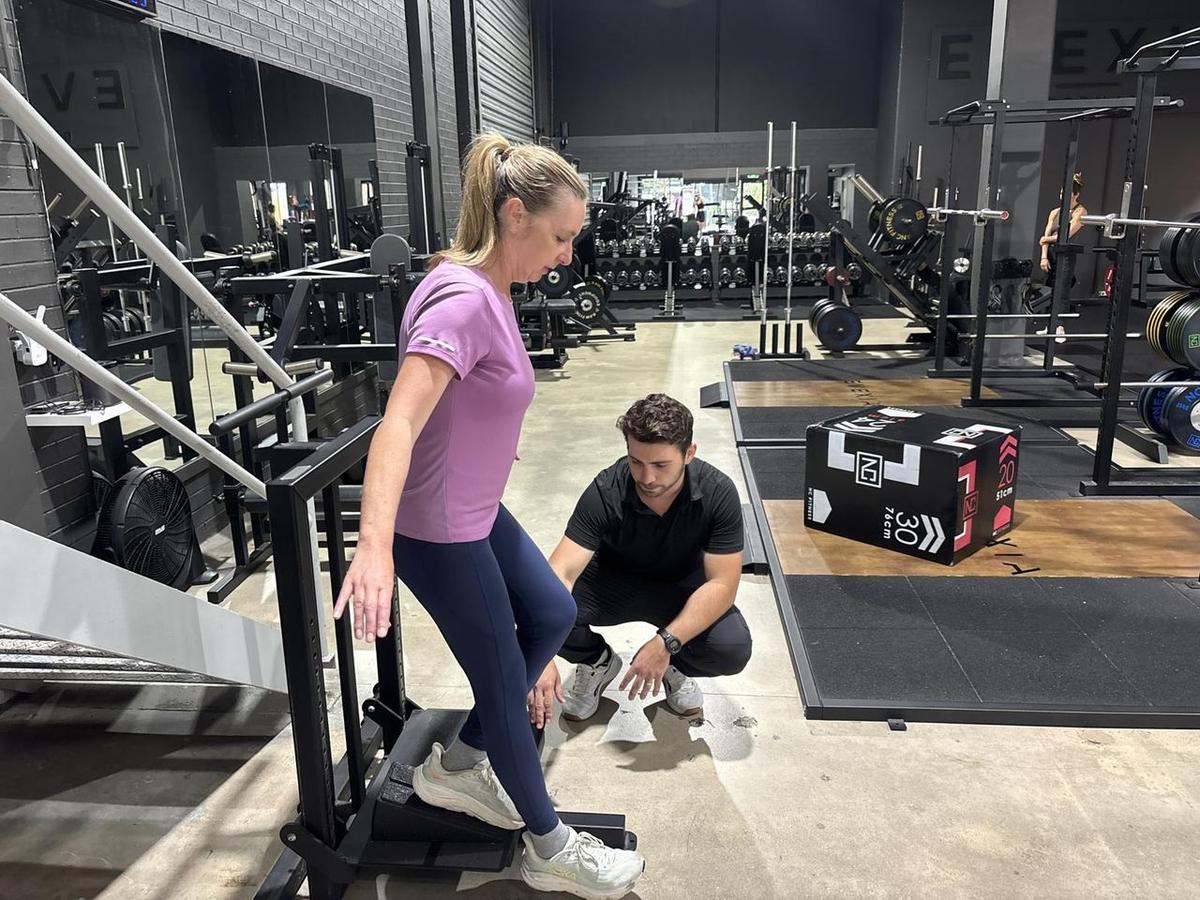
The most common reason people on the Northern Beaches put off training isn’t motivation or cost. It’s time.
On paper, semi-private training and group fitness classes look similar. Both involve training alongside other people, both cost less than one-on-one coaching, and both run at set times.
Free 45-minute consultation
A free 45-minute consultation covers your training history, your goals and a movement assessment — with no obligation to continue.
Evexia Wellbeing, Unit 1/27 Dale St, Brookvale NSW 2100 · Parking on site