
Fitting Personal Training Around a Busy Work Week
The most common reason people on the Northern Beaches put off training isn’t motivation or cost. It’s time.
Many people don’t realize that they might be able to claim personal training sessions through their private health insurance. Understanding how this works can significantly reduce your out-of-pocket costs and make professional fitness coaching more affordable.
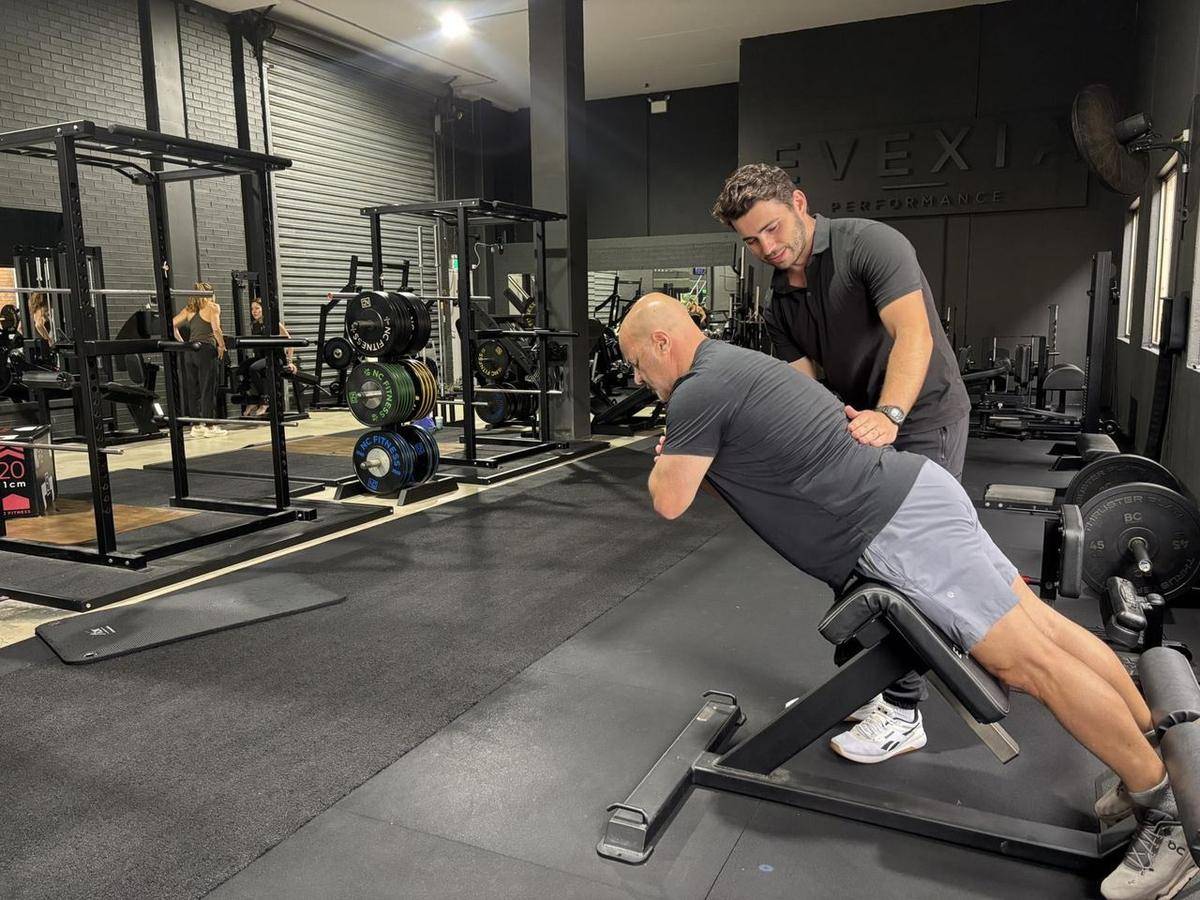
Many people don’t realize that they might be able to claim personal training sessions through their private health insurance. Understanding how this works can significantly reduce your out-of-pocket costs and make professional fitness coaching more affordable. The process involves specific requirements and documentation, but the savings can be substantial.
First, it’s important to understand that private health insurance in Australia may provide rebates for certain health services when they’re deemed therapeutic or medically necessary. Personal training sessions conducted under specific circumstances may qualify for these rebates. However, not all training qualifies, so it’s essential to understand what conditions must be met.
Your personal trainer typically needs specific qualifications for their services to be claimable. Many health funds require the trainer to hold an Exercise Science degree, accreditation with organizations like ESSA (Exercise and Sports Science Australia), or specific allied health provider registration. Before starting with any trainer, ask whether they’re registered with your health insurance fund and whether your sessions will be eligible for claims.
Your general practitioner plays an important role in the insurance claim process. You usually need a referral from your GP indicating that personal training is recommended for your health condition or recovery. This might be because you’re recovering from an injury, managing a chronic condition like diabetes, or undertaking rehabilitation after surgery. Without a GP referral, most health funds won’t provide rebates.
The specific health condition you’re training for matters significantly. Personal training might be claimable if you’re recovering from injury, managing a chronic disease, preparing for surgery, or rehabilitating from a recent medical event. General fitness training without a medical need, weight loss, or strength training purely for aesthetic reasons typically isn’t claimable.
Documentation is crucial. Your trainer should provide detailed session notes including the date, duration, specific exercises performed, and the therapeutic purpose of the session. These notes become part of your health record and support your insurance claims. Without proper documentation, even eligible training might not be claimable.
Different health insurance funds have different policies and rebate rates. Some funds provide substantial rebates covering a significant portion of session costs, while others reimburse only a minimal amount. Contact your fund directly to ask about their personal training rebate policy, the required qualifications for practitioners, documentation requirements, and claimed percentages. This conversation helps you understand your potential out-of-pocket costs.
Many allied health practitioners, including trainers who work with rehabilitation and injury recovery, maintain provider agreements with health funds. If your trainer has a provider number with your fund, the claims process becomes simpler. You’ll pay your out-of-pocket cost at the session, then submit your invoice for reimbursement.
After each session, retain your invoice. Most health funds require original invoices to process claims. Keep these organized by date and date along with your GP referral. Some funds have online portals where you can submit claims directly; others require paper submission. Understanding your fund’s process prevents delays in receiving your rebates.
Prior approval might be necessary before starting claimable sessions. Some health funds require you to contact them and provide your GP referral before commencing training. They might approve a certain number of sessions or specify a time period for the approved training. Starting without this approval could mean your sessions aren’t claimable.
The rebate you receive typically covers only a percentage of your session costs, not the full amount. You’ll still have out-of-pocket expenses, but these rebates can meaningfully reduce your total cost, especially if you commit to regular training. Over a year of sessions, the savings can be significant.
Keep careful records of all communications with your health fund, your trainer, and your GP. If a claim is disputed or rejected, these records help you resolve the issue. Sometimes rebates are denied for missing documentation or because the fund claims your condition wasn’t covered. Good record-keeping allows you to appeal if needed.
Some trainers specialize in working with health fund rebates and understand the requirements thoroughly. They can often handle much of the documentation and submission process for you, reducing your administrative burden. If you’re interested in claiming through insurance, working with a trainer experienced in this process makes everything simpler.
It’s worth noting that claiming through private health insurance doesn’t change the quality of your training. Whether your sessions are covered by insurance or paid privately, you’re working with the same qualified professional providing expert guidance toward your fitness goals. The insurance rebate is simply a way to reduce your out-of-pocket costs.
Before committing to a training program specifically for insurance rebates, ensure you’re actually interested in the training itself. The rebate helps financially, but if you’re not committed to showing up consistently, you won’t see the results you seek. The training should be something you genuinely want, not just something you’re pursuing for the insurance discount.
A free 45-minute consultation covers your history, your goals and a movement assessment — then a plan you can actually follow.

Bachelor of Science with Dean’s Award for Academic Excellence and a nationally recognised Nutritionist specialising in sustainable fat loss and body composition. Writes every program and leads the coaching at Evexia Wellbeing, Brookvale. More about Max →
Keep reading
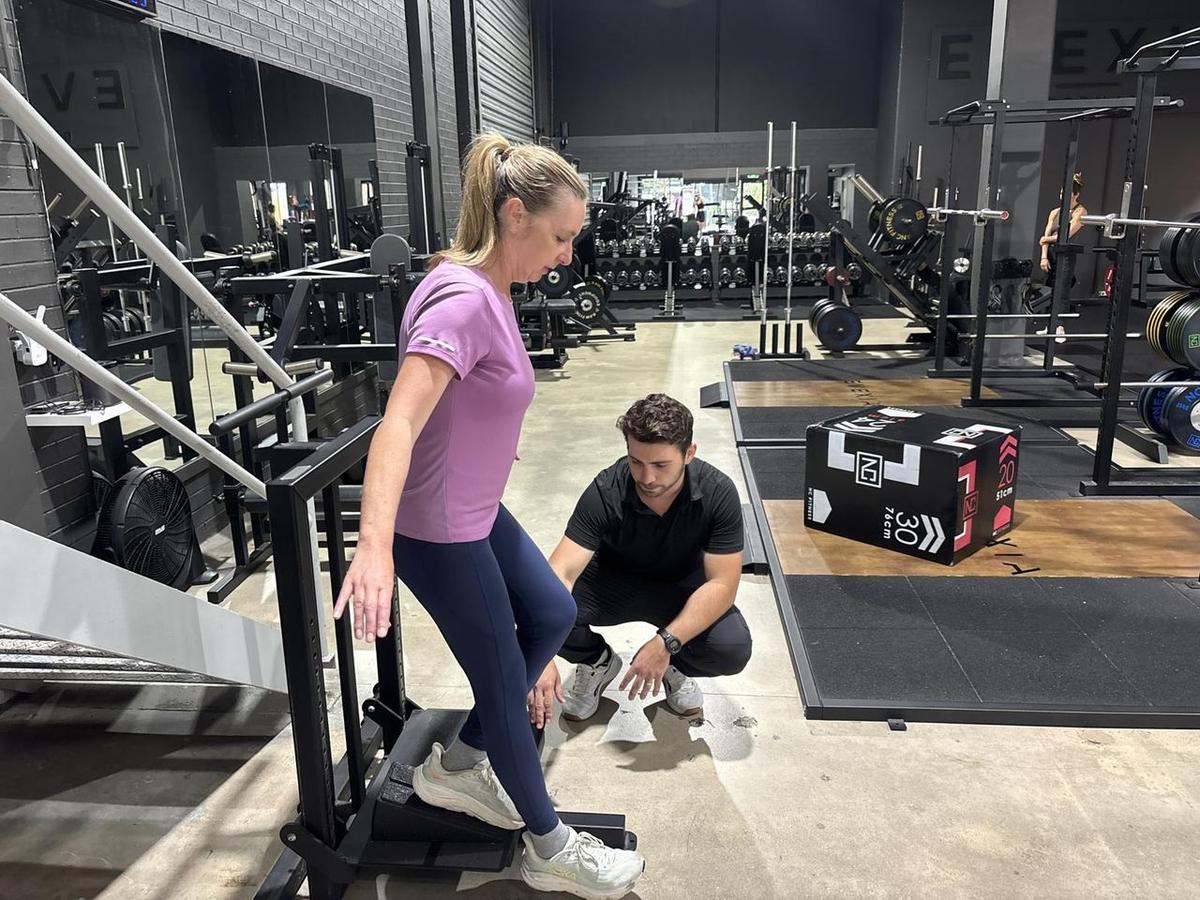
The most common reason people on the Northern Beaches put off training isn’t motivation or cost. It’s time.
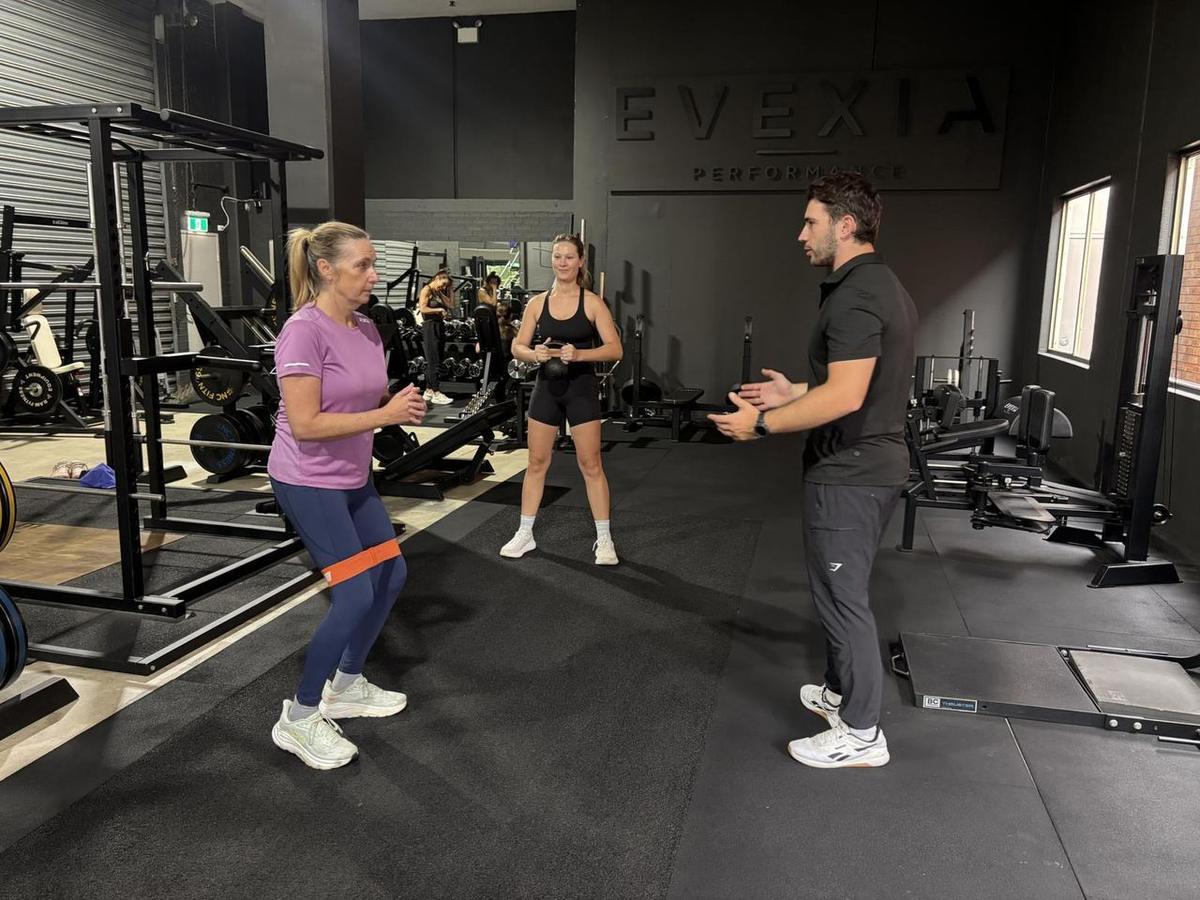
On paper, semi-private training and group fitness classes look similar. Both involve training alongside other people, both cost less than one-on-one coaching, and both run at set times.
Free 45-minute consultation
A free 45-minute consultation covers your training history, your goals and a movement assessment — with no obligation to continue.
Evexia Wellbeing, Unit 1/27 Dale St, Brookvale NSW 2100 · Parking on site