
Fitting Personal Training Around a Busy Work Week
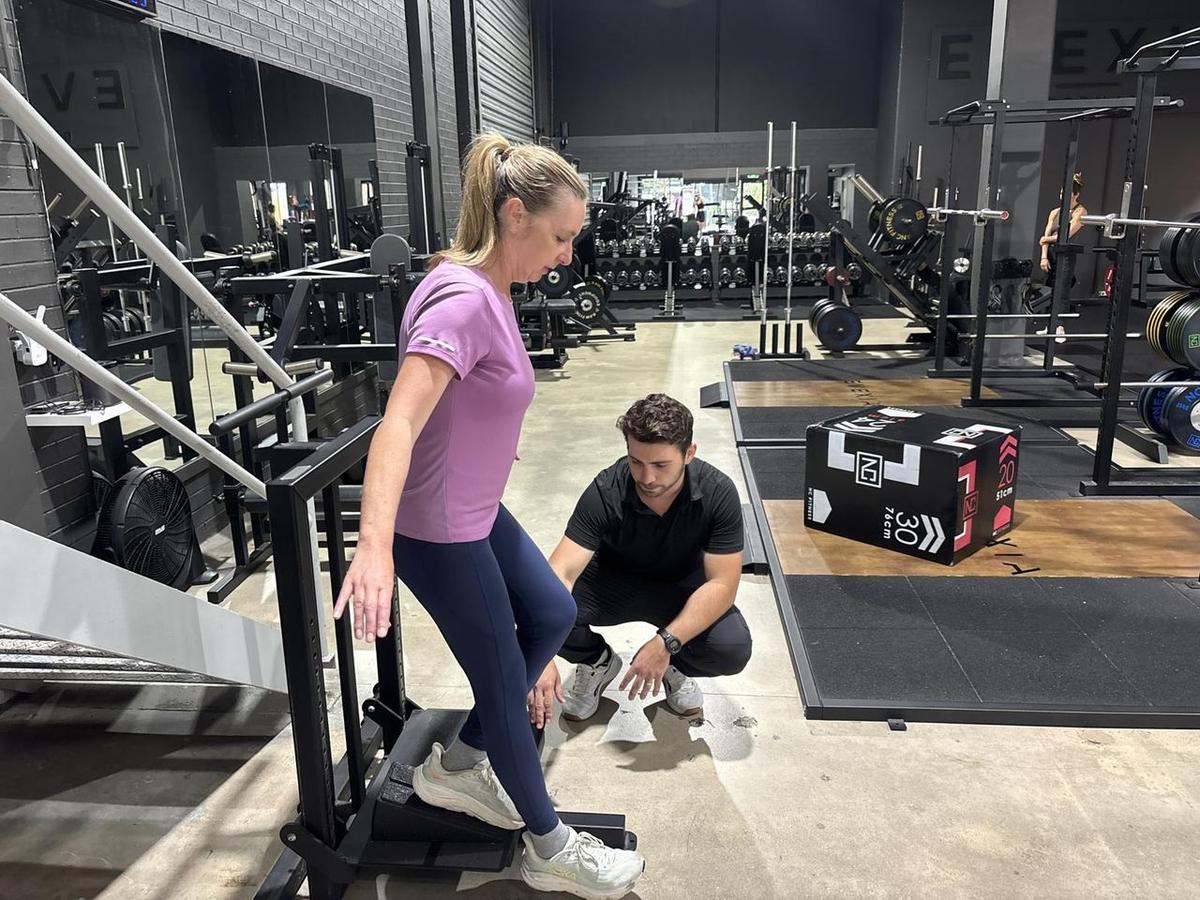
The most common reason people on the Northern Beaches put off training isn’t motivation or cost. It’s time.
Here’s what usually happens. Someone goes all in on a strict diet, the scale drops fast for a few weeks, and everyone around them notices.

Here’s what usually happens. Someone goes all in on a strict diet, the scale drops fast for a few weeks, and everyone around them notices. Then, slowly, it creeps back. Often with a bit extra along for the ride. By the time they’re sitting down for a consultation, they’ve usually done this two or three times already, and they’re convinced the problem is their own willpower.
It isn’t. It’s an approach problem, and it’s one we see often enough to know the pattern well. Weight loss that actually sticks requires a different strategy than most people try.
A crash diet is, by definition, something you can’t keep doing forever. You white-knuckle it, hit a number, and then go back to eating the way you always did, because nothing about how you actually eat day to day ever changed. The diet was temporary, so the results were always going to be temporary too.
Here’s the fundamental issue: willpower is a finite resource. You can run on willpower for weeks, maybe months if you’re particularly disciplined. But willpower fades. Life happens. You have a stressful day at work and suddenly the strict meal plan doesn’t look appealing. You go on holiday. You get invited to a dinner with friends. The strict rules don’t survive contact with real life, and when they break, most people give up entirely rather than trying to get back on track.
This is also why most crash diets come with a rebound. When you’ve been running on restriction for weeks, your body’s been receiving signals that food is scarce. When you finally stop restricting, your appetite surges, your body wants to replenish, and the weight comes back faster than it went off, often with an overshoot.
The psychological component matters too. Diets built on deprivation create a mindset of forbidden foods and allowed foods. The moment you stop the diet, the forbidden foods become permissible again, and the eating patterns that got you into trouble in the first place resume.
Max lost 23 kilos himself, and the part worth mentioning isn’t the number. It’s that it’s stayed off. That didn’t come from a strict plan gritted through for twelve weeks. It came from small, realistic swaps to food already being eaten, rather than throwing everything out and starting from scratch.
The Smart Swap Strategy, which is what gets coached at Solve, works around your actual food, not a meal plan you’ll abandon in three weeks. If you usually have a large coffee with two sugars, a swap might be one sugar. If you usually have pasta for dinner, a swap might be adding a heap of vegetables and reducing the portion size slightly. If you usually grab snacks at 3pm, a swap might be moving to something more protein-based.
These aren’t dramatic changes. They’re not sexy. They won’t make for a great before-and-after transformation story. But they’re changes you can actually sustain because they’re built into your life rather than forcing you into a new one. Over weeks and months, small swaps compound into significant dietary shifts without ever feeling like deprivation.
Pairing that with proper strength training matters enormously. Most people who diet alone end up losing muscle along with fat, which means they get smaller but don’t actually feel or look better. They’re often weaker, have less energy, and end up gaining back mostly fat rather than muscle when the diet ends. Strength training preserves muscle, maintains your metabolic rate, and means the weight you’re losing is primarily fat. That’s the difference between just losing weight and actually losing fat while keeping the strength you’ve built.
Check out our semi-private training approach which combines both nutrition guidance and progressive strength work for sustainable results.
If you’ve lost and regained the same 10 kilos more times than you’d like to admit, another strict diet is just going to be another cycle. It’s worth talking through rather than starting again. See why this approach is different by learning more about our philosophy.
Book a free consultation and figure out what’s actually realistic for you. We’ll look at your current eating patterns, understand where the biggest opportunities are for realistic swaps, and build an approach that you can actually stick with long term. Explore our fat loss program to see what sustainable fat loss looks like.
A free 45-minute consultation covers your history, your goals and a movement assessment — then a plan you can actually follow.

Bachelor of Science with Dean’s Award for Academic Excellence and a nationally recognised Nutritionist specialising in sustainable fat loss and body composition. Writes every program and leads the coaching at Evexia Wellbeing, Brookvale. More about Max →
Keep reading
The most common reason people on the Northern Beaches put off training isn’t motivation or cost. It’s time.
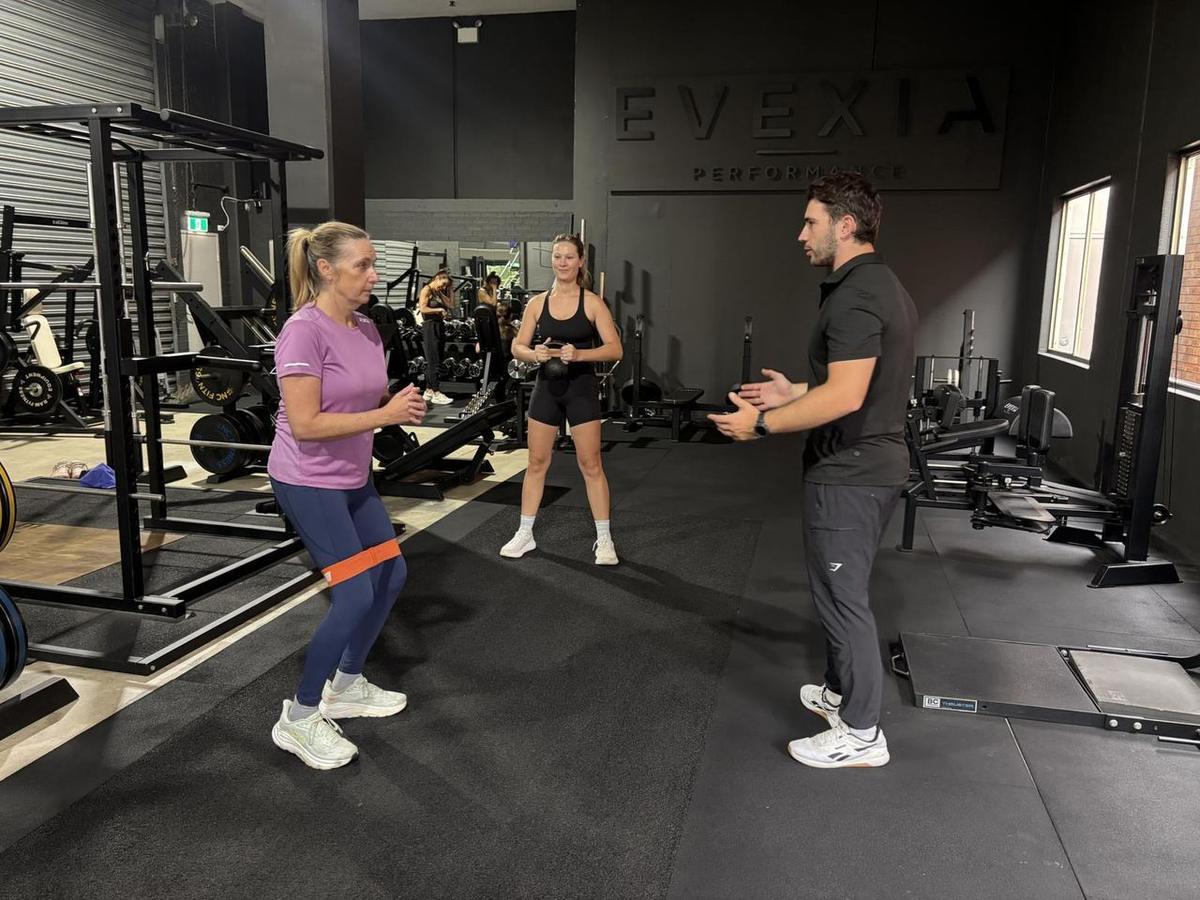
On paper, semi-private training and group fitness classes look similar. Both involve training alongside other people, both cost less than one-on-one coaching, and both run at set times.
Free 45-minute consultation
A free 45-minute consultation covers your training history, your goals and a movement assessment — with no obligation to continue.
Evexia Wellbeing, Unit 1/27 Dale St, Brookvale NSW 2100 · Parking on site